
For much of the past two years, headlines have been dominated by large-scale layoffs across the technology, finance, and media industries. Yet in 2026, a different trend is emerging. Instead of eliminating thousands of jobs, many U.S. companies cutting costs are focusing on operational efficiency, technology investments, and smarter financial management. Executives have learned that… Continue reading U.S. Companies Cutting Costs: Smart Strategies for 2026

Category: Management Accounting
The New CFO Playbook: AI, Cash, and Cost Control

The New CFO Playbook centers on three priorities: artificial intelligence (AI), cash management, and disciplined cost control. As the role of the Chief Financial Officer (CFO) continues to evolve, finance leaders are expected to do far more than oversee accounting operations and financial reporting. They are strategic decision-makers responsible for guiding organizations through economic uncertainty,… Continue reading The New CFO Playbook: AI, Cash, and Cost Control
Cash Flow KPIs That Predicted Our Last Recession: 3 Warning Signs Every Business Should Track
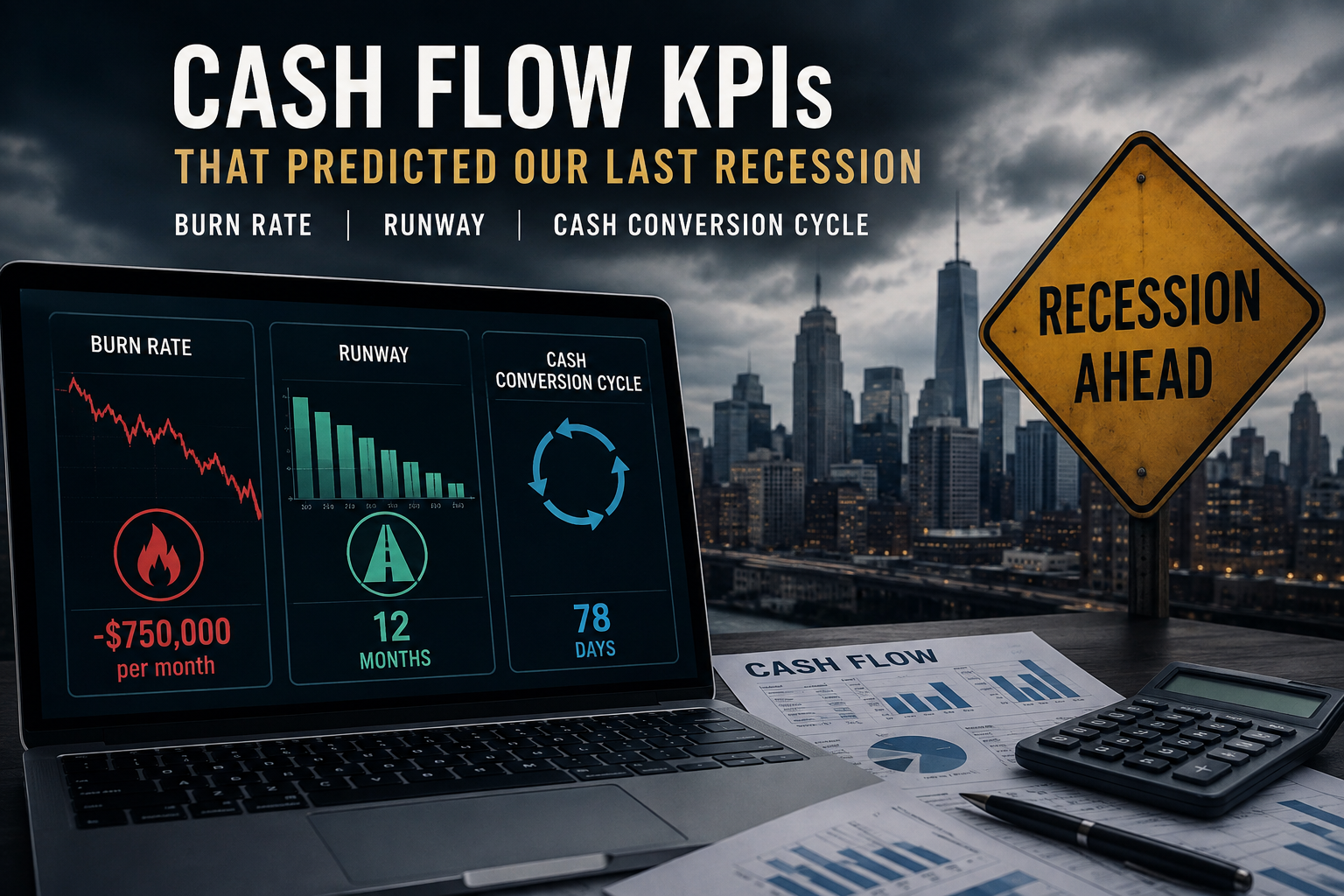
Many businesses don’t fail because they are unprofitable—they fail because they run out of cash. Before every economic downturn, warning signs often appear in financial statements months before headlines announce a recession. The businesses that survived the last recession weren’t necessarily the most profitable; they were the ones closely monitoring their cash flow KPIs. As… Continue reading Cash Flow KPIs That Predicted Our Last Recession: 3 Warning Signs Every Business Should Track
Zero-Based Budgeting: Why Google and Netflix Use It
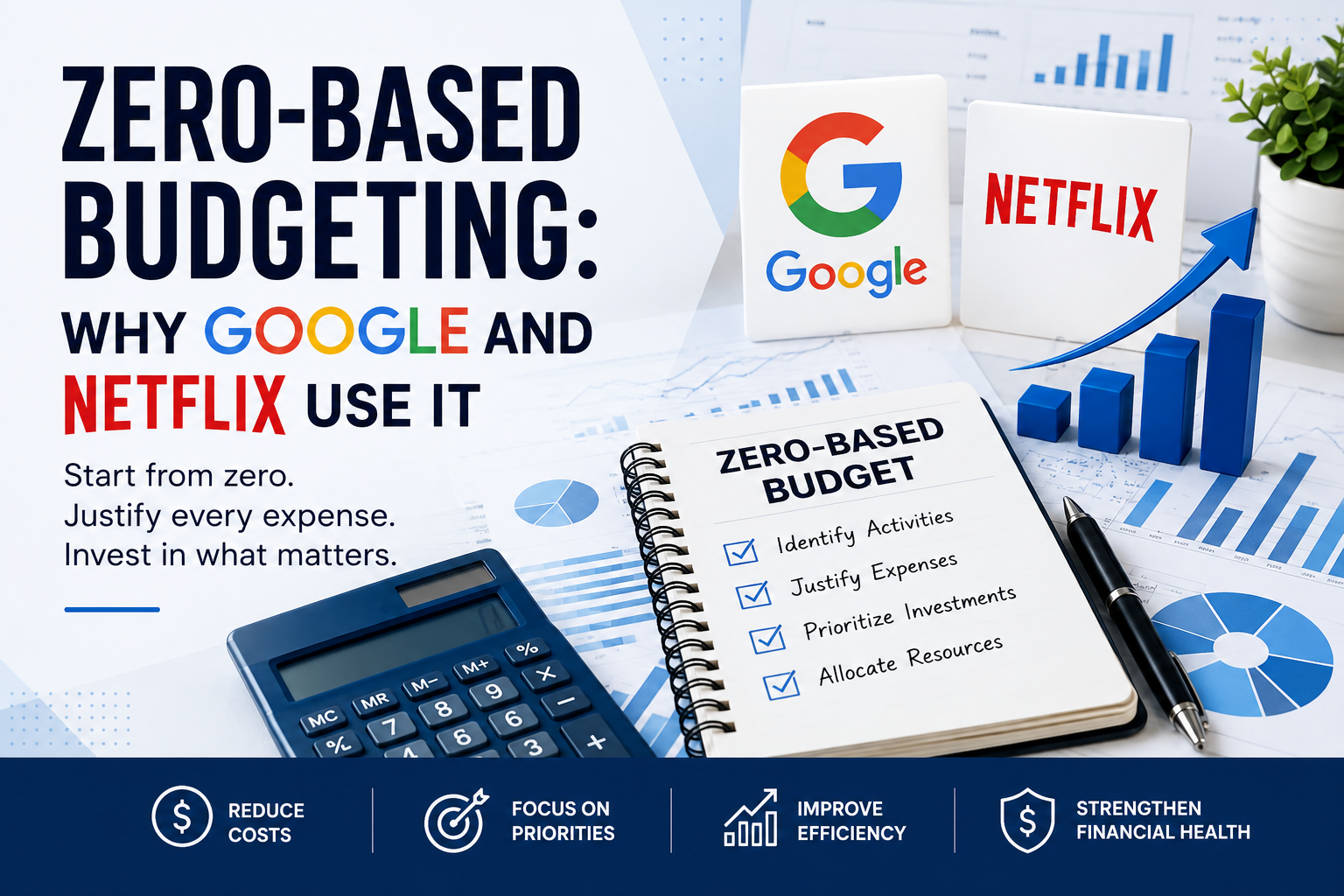
Businesses today face increasing pressure to control costs without sacrificing innovation or growth. While many organizations still rely on traditional budgeting methods that simply increase last year’s budget by a fixed percentage, leading companies are adopting a more disciplined approach known as Zero-Based Budgeting (ZBB). Rather than assuming every existing expense deserves continued funding, this… Continue reading Zero-Based Budgeting: Why Google and Netflix Use It